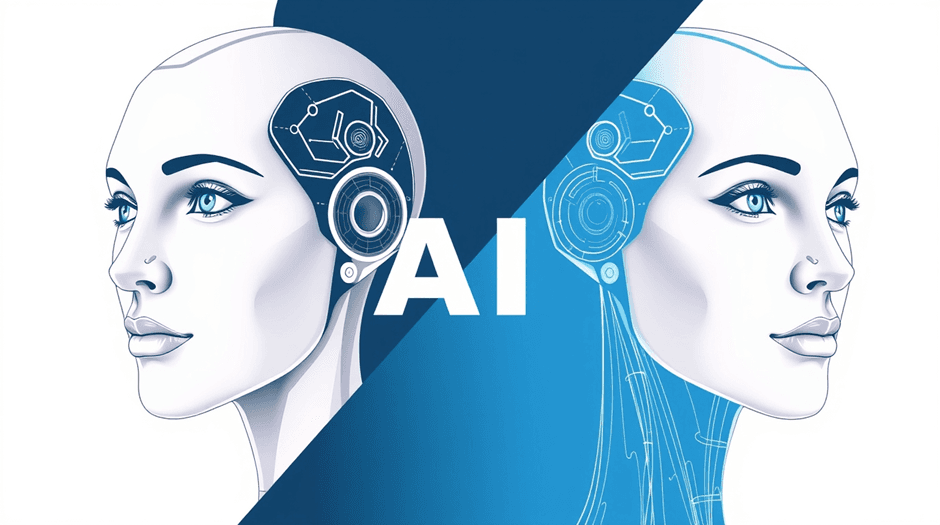
As AI advances, ethical dilemmas arise. Explore the challenges and responsibilities of ensuring ethical AI development.
The Rise of Responsible AI
Artificial Intelligence (AI) is no longer a futuristic concept—it's an integral part of our daily lives, shaping industries from healthcare to finance. However, as AI systems become more powerful, they introduce complex ethical questions.
Major Ethical Concerns
- Bias & Fairness: AI can unintentionally perpetuate societal biases present in data.
- Transparency: Black-box algorithms make it hard to audit decisions.
- Accountability: Who is responsible for an AI's actions?
"Failure will never overtake me if my determination to succeed is strong enough."
Og Mandino
Developers, companies, and policymakers must collaborate to establish guidelines and frameworks for ethical AI use, ensuring these technologies serve humanity positively.
Unordered Lists (Nested)
- Ethical development best practices
- Inclusive data collection
- Transparent model documentation
- Independent audits
- Human oversight in decision-making
Ordered Lists (Nested)
- Identify use case risks
- Assemble diverse teams
- Include ethicists
- Consult industry regulators
- Monitor outcomes continuously
Image

Responsible AI isn't just a technical challenge—it's a societal one. The future depends on our ability to design systems that are as just, transparent, and accountable as the people who create them.